Key takeaways
- Indian freelancers and SMEs can cut total costs from 3 to 5 percent down to nearly 1.18 percent with transparent, India first platforms that use mid market FX, zero markup, and automated documentation.
- Time to INR matters, SWIFT flows often take 2 to 5 business days, while local rails like ACH, SEPA, and FPS, via virtual accounts, typically settle INR in 24 to 48 hours.
- Always evaluate the full landed cost, platform fee, FX markup, intermediary bank deductions, withdrawal charges, and GST on platform fees.
- Compliance is non negotiable, look for automatic e-FIRA, RBI and FEMA adherence, and strong security certifications, then verify service quality with India focused support.
- Switching is straightforward, open an account, share local account details with clients, pilot one invoice, then standardize for faster, cheaper, and more predictable payments.
How Western Union Business India works, and why freelancers look elsewhere
For years, many in India have relied on Western Union’s business flows that route through partner banks and end as INR credits. While the brand offers familiarity, users face opaque FX spreads, intermediary bank deductions, manual e-FIRA handling, and settlement times that often stretch beyond expectations. The result is a higher total cost, slower cash flow, and extra admin work when you need to focus on billable projects.
- Unclear total costs, platform fees, FX spreads, intermediary deductions, and GST can add up quickly.
- Slower settlement, funds typically arrive in 2 to 5 business days, and you rarely have precise visibility.
- Manual documentation, you often chase e-FIRA proofs and export documentation with your bank.
- Client friction, non local details on invoices increase effort and, sometimes, client fees.
Bottom line: Evaluate alternatives using a clear checklist, total cost, time to INR credit, compliance automation, client experience with local rails, and onboarding plus support quality.
Understanding the full cost, fees that add up quickly
Your real cost is a stack, platform fee, FX markup, intermediary bank charges, withdrawal costs, and GST on the platform fee. Traditional SWIFT based methods often combine a variable transfer fee with a 1 to 3 percent FX spread, then add $15 to $40 in correspondent deductions. On a $2,000 invoice, that can mean losing 3 to 5 percent, leaving around $1,900 to $1,960.
Global wallets are convenient for clients, but effective costs tend to be higher, especially when you include FX spreads and withdrawal charges. India first platforms flip the model by using mid market rates, charging a flat platform fee, and removing intermediary surprises, so you keep more of every invoice.
Measuring speed, how long before you see your money
SWIFT based networks, including Western Union business flows and direct bank wires, generally take 2 to 5 business days, sometimes longer with correspondent checks. Global wallets offer better visibility but are still typically 2 to 5 days end to end.
India first platforms use local rails, clients pay via ACH, SEPA, FPS, or EFT into virtual accounts in your name, you then claim the payment and receive INR in 24 to 48 hours. Real time alerts via dashboards or WhatsApp keep you in the loop, which means you can plan payouts, vendor bills, and investments with more confidence.
Compliance and documentation, the e-FIRA question
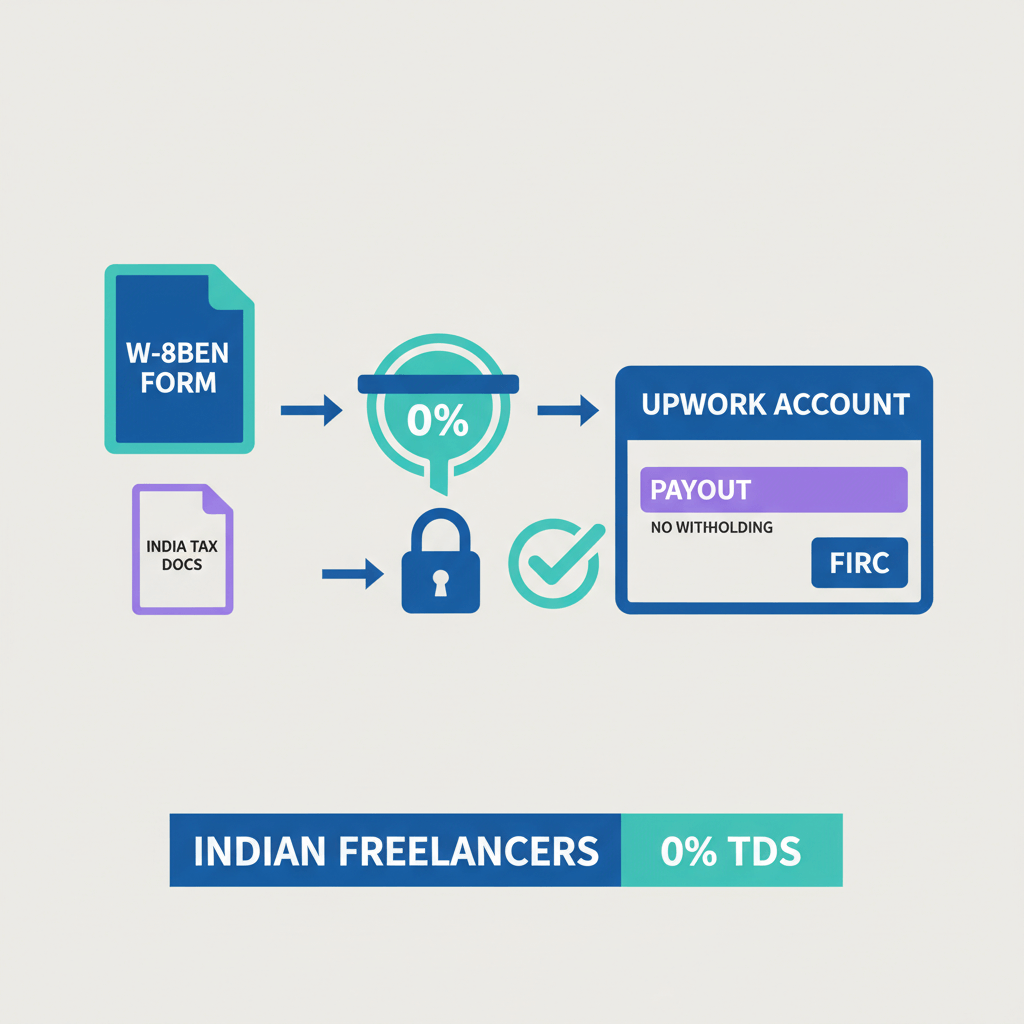
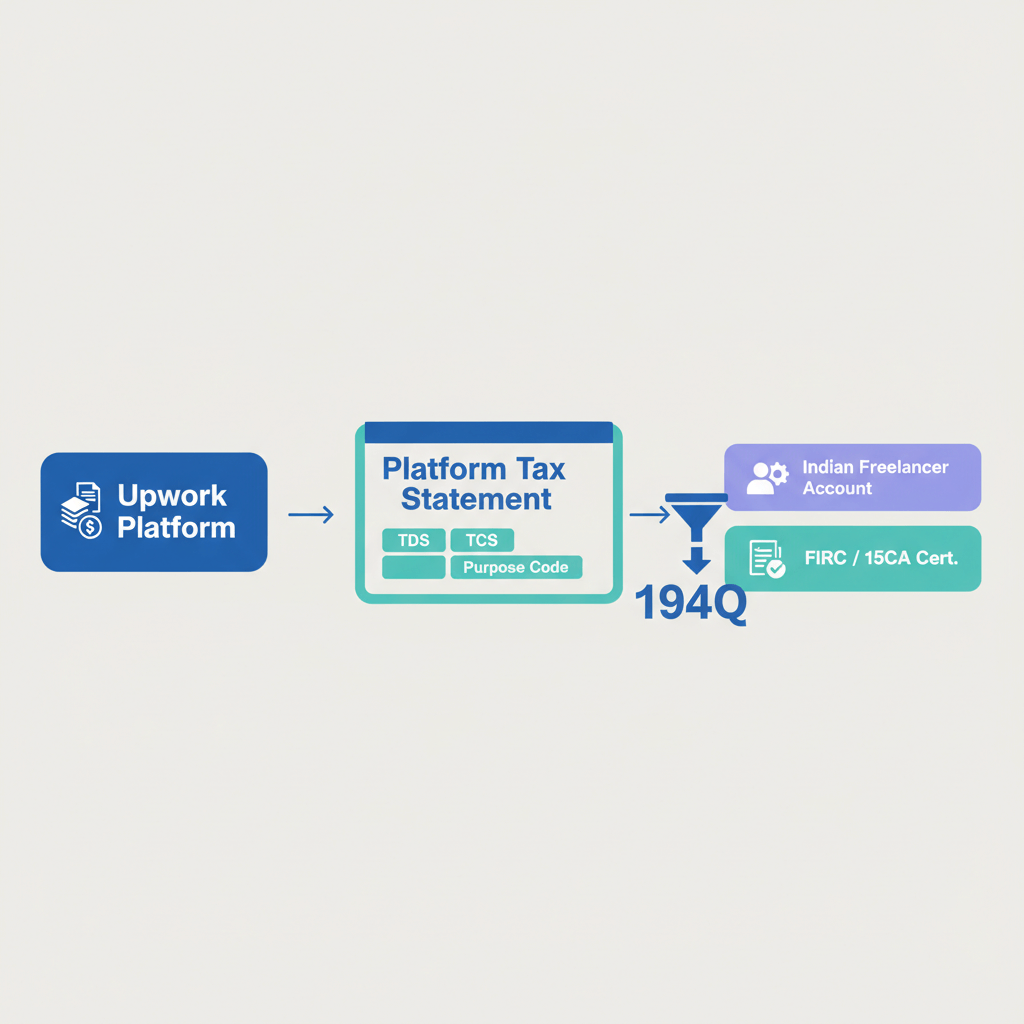
Every service export needs proper documentation. e-FIRA is your official proof that foreign currency entered India correctly, and it is essential for taxes and audits. Traditional setups make you request it from your bank, sometimes waiting days. India first platforms automate this, generating e-FIRA for each settlement, typically within 24 hours, ready to download whenever you need it.
Always confirm RBI and FEMA compliance, AML controls, and security standards such as ISO 27001. Automation here saves hours of back and forth, especially during tax season.
Exploring the main alternatives to Western Union Business India
India first platforms fit freelancers and SMEs best, they provide virtual USD, GBP, EUR, and CAD accounts with domestic rails, clear fees, fast INR settlement, and automatic compliance proofs.
- Karbon Business: Virtual USD, GBP, EUR, and CAD accounts, 24 to 48 hour INR settlement, flat 1 percent fee, zero FX markup, automated e-FIRA in 24 hours, and optional currency holding up to 60 days.
- Wise Business: Multi currency accounts with transparent pricing, FX and withdrawal costs can add up for India use cases.
- Payoneer: Familiar for marketplace work, broader reach, typically higher total cost due to FX and withdrawals.
- PayPal: Ubiquitous and easy for clients, among the highest fee structures for India recipients.
- RazorpayX International: Growing India focused toolset, still maturing on virtual accounts and automation depth.
Global wallets are simple for clients but come with higher effective costs and chargeback considerations. Direct SWIFT to your Indian bank avoids platform fees but piles on intermediary charges, slower timelines, and manual e-FIRA. Payment gateways like Stripe generally need a foreign entity, which limits utility for most Indian freelancers. Avoid crypto or informal channels for business receipts, they are risky under RBI rules and provide no audit trail.
Detailed fee comparison, what you actually receive
- Western Union or Convera style SWIFT flows: 3 to 5 percent total cost, net on $2,000 around $1,900 to $1,960.
- PayPal: Often 4 to 5 percent in provider fees plus 2 to 4 percent FX markup, net around $1,880 to $1,920.
- Payoneer: 1 to 2 percent collection plus 2 to 3 percent FX spread, net around $1,920 to $1,950.
- Direct SWIFT to Indian bank: 1 to 2 percent FX plus $15 to $40 in correspondent charges, net around $1,910 to $1,950.
- Karbon Business: 1 percent platform fee, GST on the fee only, zero FX markup, no intermediary or withdrawal charges, net around $1,980.
Small percentages compound: A 2 to 3 percent FX markup on $2,000 is $40 to $60 gone, before other charges. Cutting markup to zero is where savings really appear.
Speed comparison, time to INR in your account
- SWIFT based systems: Typically 2 to 5 business days, limited visibility, occasional tracing delays.
- Global wallets: Wallet credit in 1 to 3 days, wallet to bank adds 1 to 2 days, total 2 to 5 days.
- India first platforms using local rails: Client pays domestically, you claim funds, INR arrives in 24 to 48 hours, with real time tracking.
Some platforms also let you hold foreign currency for up to 60 days, so you can convert when rates are favorable without slowing down your overall process.
When to choose each alternative, a practical decision guide
- Lowest total fees and fastest INR: India first platforms with mid market FX, ideal when you can give clients local account details.
- Client insists on PayPal or cards: Use a wallet, educate clients on costs, and request fee coverage or a switch later.
- Large, infrequent B2B invoices: Direct SWIFT can work, fixed fees matter less at higher values, but be ready for slower settlement and manual e-FIRA.
- Virtual local accounts: Useful for client convenience and speed, available via Karbon Business, Wise, and Payoneer.
- FX timing control: Platforms that allow currency holding let you hedge naturally while staying compliant.
- India focused support: Prioritize quick responses via WhatsApp or chat, plus clear RBI and tax guidance.
How to switch from Western Union Business India to a better alternative
- Step 1, Audit your setup: Track total fees, FX spreads, intermediary deductions, settlement times, and time spent on e-FIRA.
- Step 2, Define criteria: Weigh cost, speed, compliance automation, client ease, and support quality.
- Step 3, Open an account: Provide PAN, masked Aadhaar, three months of bank statements, and a link to your professional profile, typical verification is 2 to 4 working days.
- Step 4, Set up receiving methods: Enable virtual USD, GBP, EUR, CAD accounts, add payment links where needed.
- Step 5, Update clients: Share new local details and explain that payments will be faster and cheaper for them.
- Step 6, Pilot one invoice: Measure each milestone, client payment, arrival, claim, INR credit, and e-FIRA generation.
- Step 7, Standardize: Migrate all clients, refine invoice templates, add simple how to pay guides.
- Step 8, Monitor: Review totals monthly, iterate on your process, and keep an eye on FX trends.
A real example, Bangalore freelancer switches and saves
Priya, a content strategist in Bangalore, billed £3,000 monthly from UK agencies and used SWIFT to ICICI. Each transfer cost £20 to £35 in bank deductions plus a 2.5 percent FX markup, with 3 to 4 business days of waiting and manual e-FIRA requests. After moving to an India first platform, she shared a UK account with sort code and account number, clients paid via FPS, funds reached her virtual account within minutes, she claimed the payment, and INR landed in 24 to 48 hours. Her cost dropped to about 1.18 percent, saving £60 to £85 per month, and e-FIRA appeared automatically.
Quick comparison snapshot, at a glance
- Western Union or Convera style SWIFT: Variable total fees, slower settlement, manual compliance, okay for occasional large transfers.
- PayPal or Payoneer: Client friendly, higher total costs, moderate speed, varying documentation.
- Direct SWIFT to Indian bank: High fixed charges and FX markup, slower speed, manual e-FIRA.
- Karbon Business and similar India first platforms: Low, predictable fees, 24 to 48 hour INR settlement, automatic e-FIRA, virtual local accounts, and optional FX timing control.
Making the switch, faster payments, lower fees, less hassle
If you are losing 3 to 5 percent per invoice and waiting days for funds, shift to an India focused setup that prioritizes speed, transparency, and compliance. The framework is simple, compare total costs including GST, track time to INR, confirm automation for e-FIRA, give clients local rails, and test support before you commit. The difference over a year is meaningful, both in cash saved and stress reduced. Fees and timelines here are illustrative, always verify the latest pricing, exchange rates, and RBI, FEMA, and tax requirements before you decide.
FAQ
Which is the best way for Indian freelancers to receive USD fast without paying heavy fees?
Use an India first platform that gives you a virtual USD account for ACH, lets clients pay domestically, and credits INR in 24 to 48 hours. Karbon Business is a practical example, with a flat 1 percent platform fee, zero FX markup, and automatic e-FIRA, which usually beats SWIFT, PayPal, and Payoneer on both speed and cost.
How do I cut down PayPal and Payoneer charges when clients insist on those methods?
First, show clients a simple comparison of total cost and time to INR, many will switch to ACH or SEPA if they see your savings. If they cannot switch, quote your fee as amount plus payment charges, or split fees transparently in the contract. Meanwhile, open an India first account such as Karbon Business and move new clients to local rails from day one.
What is e-FIRA, and how do I get it without chasing my bank?
e-FIRA is your Foreign Inward Remittance Advice, the proof of foreign currency received for service exports. India first platforms automate this, Karbon Business generates e-FIRA within 24 hours of settlement, available for download in your dashboard, so you avoid manual bank requests and email follow ups.
Is Western Union or Convera good for regular business payments to India, or should I switch?
They work reliably, but for recurring invoices the total cost and slower settlement are common pain points. If you want transparent fees, mid market FX with zero markup, faster settlements, and automated documentation, shifting to an India first platform like Karbon Business is usually the better long term choice.
What documents are needed for KYC when I open an international receiving account as a freelancer?
Typically you need your PAN, masked Aadhaar, last three months of bank statements, and a link to your professional profile such as LinkedIn, your portfolio site, or Upwork. Platforms like Karbon Business complete verification in about 2 to 4 working days and then activate your virtual USD, GBP, EUR, and CAD accounts.
Can I get local US, UK, or EU bank details without registering a foreign company?
Yes, India first solutions provide virtual local currency accounts in your own name, for example a USD account for ACH, a GBP account for Faster Payments, and a EUR account for SEPA. Karbon Business offers this setup so your clients pay you as if you were local, which removes their international wire friction and speeds up settlement.
How do I convince a client to switch from SWIFT to ACH or SEPA for my invoices?
Send a short note in your invoice email, highlight that domestic transfers are faster, cheaper, and easier for them, and that your new local account details are in their currency. For example, with Karbon Business you can say, pay via ACH or SEPA to my local USD or EUR account, which avoids your international transfer fees and gets me paid within 24 to 48 hours.
How is GST applied on international payment fees for freelancers in India?
GST at 18 percent applies on the platform fee only, not on the full invoice or the FX amount. If the platform fee is $20 on a $2,000 payment, GST is $3.60, bringing the total fee to $23.60. Providers like Karbon Business keep overall costs low by charging a flat 1 percent and using zero FX markup.
What exactly is FX markup, and how does zero FX markup help my take home?
FX markup is the spread a provider adds over the mid market rate, for example adding 2 to 3 percent over the true rate. Zero FX markup means you convert at the mid market rate, so you avoid losing that extra percentage. With a flat 1 percent fee and no FX spread, platforms like Karbon Business typically let you keep about $1,980 on a $2,000 invoice.
How long do funds take to hit my Indian bank, and what about weekends or bank holidays?
With local rails, clients often fund the virtual account within hours on business days, after you claim the payment, INR usually arrives in 24 to 48 hours. Weekends and local bank holidays in either country can add a small delay, but it is still generally faster than SWIFT wires that take 2 to 5 business days or more.
Is holding foreign currency for a few days allowed, and can it help me with better exchange rates?
Yes, compliant providers allow limited duration holding so you can time the conversion. Karbon Business lets you hold USD, GBP, EUR, or CAD for up to 60 days, which helps you capture a better INR rate or batch multiple small invoices into one conversion for simplicity.
If a client can only pay by card or insists on PayPal, what is the best workaround for Indian freelancers?
Proceed with the wallet for that client, but update your contract to reflect who bears the fees. In parallel, open an India first account, add those local account details to your invoices, and nudge new or flexible clients to ACH or SEPA. Over time, shift a majority of payments to platforms like Karbon Business to reduce fees and speed up settlements.