

Key takeaways
- Airwallex is powerful globally, yet many Indian SMEs need an India first alternative that automates e-FIRA, settles INR in 24 to 48 hours, and supports local rails like ACH, SEPA, and FPS.
- Multi currency accounts let you hold USD, GBP, EUR, and CAD for up to 60 days, giving simple forex hedging without speculation, see multi currency accounts for a primer.
- Transparent pricing matters more than headline claims, zero FX markup and a flat platform fee help you forecast costs accurately.
- For Indian freelancers and agencies, Karbon Business offers virtual accounts in major currencies, local rail collection, automatic e-FIRA, mid market rates, and India hours support.
- Compare options beyond marketing pages, check independent lists like Airwallex alternatives and niche guides like Revolut alternatives.
The Problem: Why Indian Businesses Need Cross Border Payments Without Bank Hassles
Traditional banks slow you down with week long settlements, hidden FX markups, and manual compliance. A $10,000 inward can quietly lose ₹5,000 to ₹10,000 in opaque conversion costs, while e-FIRA becomes a back and forth of forms and branch visits. Global wallets feel smoother, yet they rarely automate India specific compliance or provide fast INR settlement when you need cash flow certainty.
- Slow settlements, money stuck in transit for five to seven days.
- Hidden FX markups, 2 percent to 5 percent baked into the rate, not shown as a fee.
- Manual e-FIRA, repetitive paperwork for every payment.
- Global time zone support, slow responses during India business hours.
Hence the frequent search for an Airwallex alternative in India for businesses, not because Airwallex is weak, but because most Indian exporters need a platform tuned to RBI rules, India banking rails, and India hours service.
India first payment platforms blend global rails with local compliance, so you focus on billing clients, not chasing forms.
For broader context on cross border options, explore curated lists like Airwallex alternatives and deep dives such as Revolut alternatives.
Airwallex India: What Is Available and What Is Missing
What works well globally: multi currency wallets in major currencies, fast local rails in US, EU, and UK, virtual cards for spend control, robust APIs, and enterprise grade features.
The India shaped gap: onboarding takes longer due to non India native KYC flows, automatic e-FIRA is not standard, support aligns to global time zones, and INR settlement is not as seamless as India first providers that embed RBI processes end to end.
If you are an Indian SME or agency with regular inbound payments, you likely need an India first stack that bakes compliance into the rails themselves.
How Cross Border Payments Work for Indian Service Exporters
The payment journey
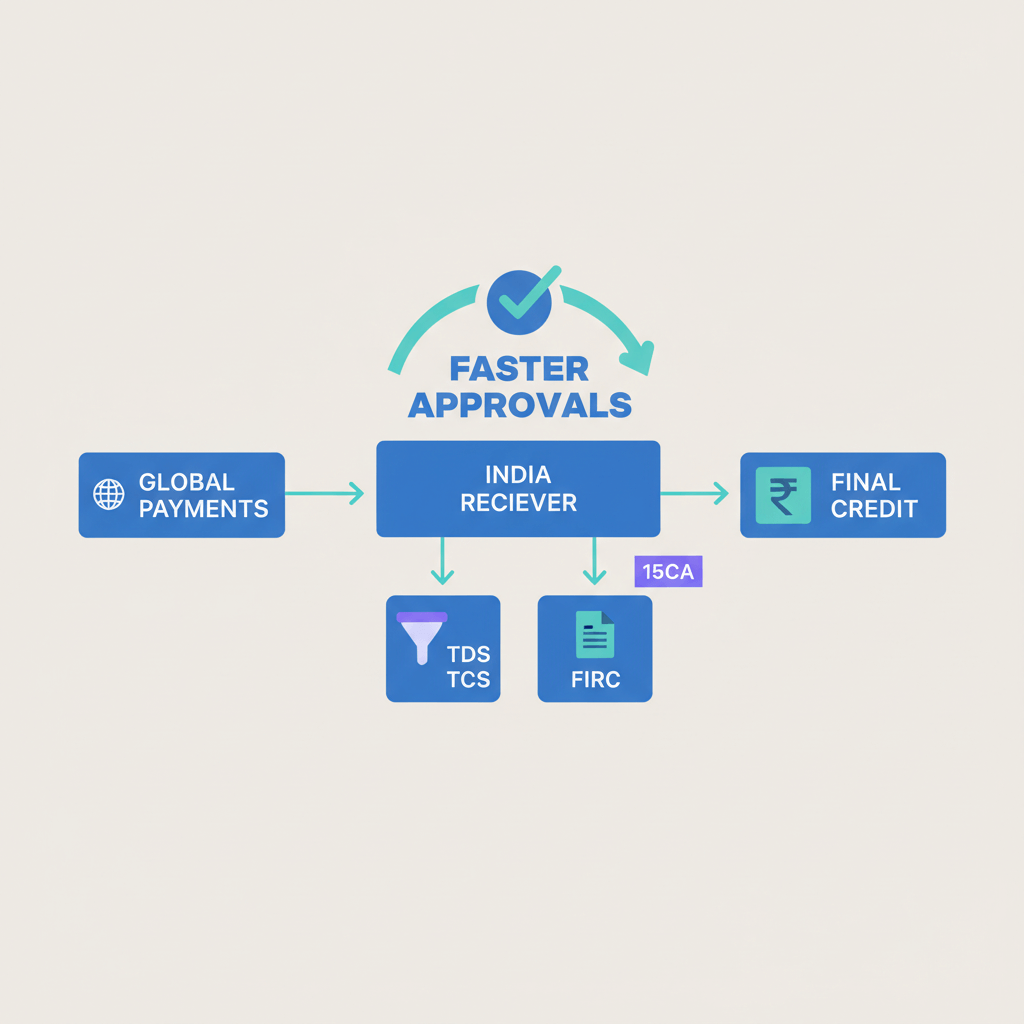
Your client pays via domestic rails like ACH, SEPA, or FPS, funds arrive in your currency specific virtual account, you choose when to convert, then INR settles to your bank in 24 to 48 hours with the right platform. Holding balances up to 60 days gives practical, low effort forex hedging.
Local rails versus SWIFT
Local rails are cheaper and faster for clients, SWIFT is slower and costlier since correspondent banks add fees and time. Use local rails by default, keep SWIFT as a fallback for large B2B transfers or markets without local connectivity.
The compliance layer
Every inward needs documentation. Platforms that auto generate e-FIRA within 24 hours remove manual friction. Without automation, you are back to forms, emails, and delays.
Multi Currency Accounts Explained, India Specific
Think of multi currency accounts as virtual bank accounts that hold foreign currency balances for you. You share local looking USD, GBP, EUR, and CAD details with clients, they pay domestically in their country, funds arrive quickly, and you control the conversion timing.
- Operational wins: quote in client currency, reduce payment friction, eliminate intermediary fees, reconcile cleanly by currency.
- Forex control: hold balances up to 60 days, convert when rates move in your favor, keep RBI rules intact.
- Accounting clarity: exports with foreign and INR amounts, dates, and rates simplify GST and income tax work.
When invoice currency matches remittance currency, your e-FIRA and books line up perfectly, your CA will thank you.
Evaluation Checklist: What to Look for in an Airwallex Alternative in India
- Compliance must haves: RBI and FEMA adherence, automatic e-FIRA within 24 hours, strong AML monitoring.
- Transparent cost: flat platform fee, zero FX markup using mid market rates, no setup or annual charges.
- Speed: local rails for USD, EUR, GBP, CAD, INR settlement in 24 to 48 hours.
- Capabilities: holding up to 60 days, SWIFT fallback, payment links, invoicing, CSV exports, optional APIs.
- Support and onboarding: India hours, WhatsApp or phone support, quick KYC in two to four working days.
Practical Comparison: Airwallex Versus India First Options
Airwallex shines for multinationals orchestrating complex flows, yet its India stack is not as automated for e-FIRA and local compliance. It is a fit when you run entities across regions and need deep API control.
Karbon Business is built for Indian freelancers and SMEs. You get USD, GBP, EUR, and CAD virtual accounts with local rail collection, INR settlement in 24 to 48 hours, a flat 1 percent platform fee, zero FX markup with mid market rates, and e-FIRA generated automatically within 24 hours. Support runs on India hours, with WhatsApp and dedicated managers for higher volumes.
Wise Business offers wide currency coverage and mid market rates, good for solo operators, though e-FIRA is not automated in the India specific way many SMEs need.
Payoneer suits marketplace payouts and basic receiving accounts, but total costs often include FX markup.
RazorpayX International and Skydo target India exporters with growing volumes and stronger domestic integrations, worth testing for India centric workflows.
Cross check community sentiment with lists like Airwallex alternatives and niche comparisons such as Revolut alternatives.
Step by Step: Set Up an India First Airwallex Alternative
Step one: Apply online
Keep PAN, masked Aadhaar, last three months of current account statements, and a credible online profile ready, LinkedIn or portfolio or marketplace profile. The application typically takes 10 minutes.
Step two: Verification and KYC
Compliance teams validate documents and business activity in two to four working days. Once approved, you receive virtual account details for USD, GBP, EUR, and CAD.
Step three: Create and send your first invoice
Generate an invoice from the dashboard, client sees local payment instructions, ACH for US, SEPA for EU, FPS for UK, EFT for Canada.
Step four: Client pays
Funds usually land in one to three business days. You get a notification, claim the payment, and proceed to conversion.
Step five: Decide on FX
Convert immediately if you need funds, or hold up to 60 days for potential rate improvement. The platform should show mid market rate, fees, and net INR clearly.
Step six: INR settlement and e-FIRA
Settlement completes in 24 to 48 hours, and your e-FIRA appears in the dashboard within 24 hours.
Step seven: Reconcile
Export CSVs with invoice numbers, FX rates, INR credit, platform fee, and e-FIRA reference. Share with your CA or import into accounting software.
Cost and Time Scenarios
Scenario one: US client pays $5,000 via ACH
ACH Monday morning US time, funds Wednesday in your USD account, convert at mid market, 1 percent platform fee applied, INR lands by Friday morning. e-FIRA is generated by Thursday.
Scenario two: EU client pays €8,000 via SEPA, you hold for 30 days
Funds arrive Tuesday, you hold while rupee weakens, convert at a better rate, net INR improves, settlement in 24 to 48 hours from conversion, documentation ready automatically.
Scenario three: Large B2B $50,000 via SWIFT
SWIFT arrives in three to four business days, convert immediately to avoid exposure, INR settles within 48 hours. Keep SWIFT for large, specific cases, default to local rails otherwise.
Shaving five days off your payment cycle compounds into healthier working capital and faster hiring or marketing decisions.
Compliance Deep Dive
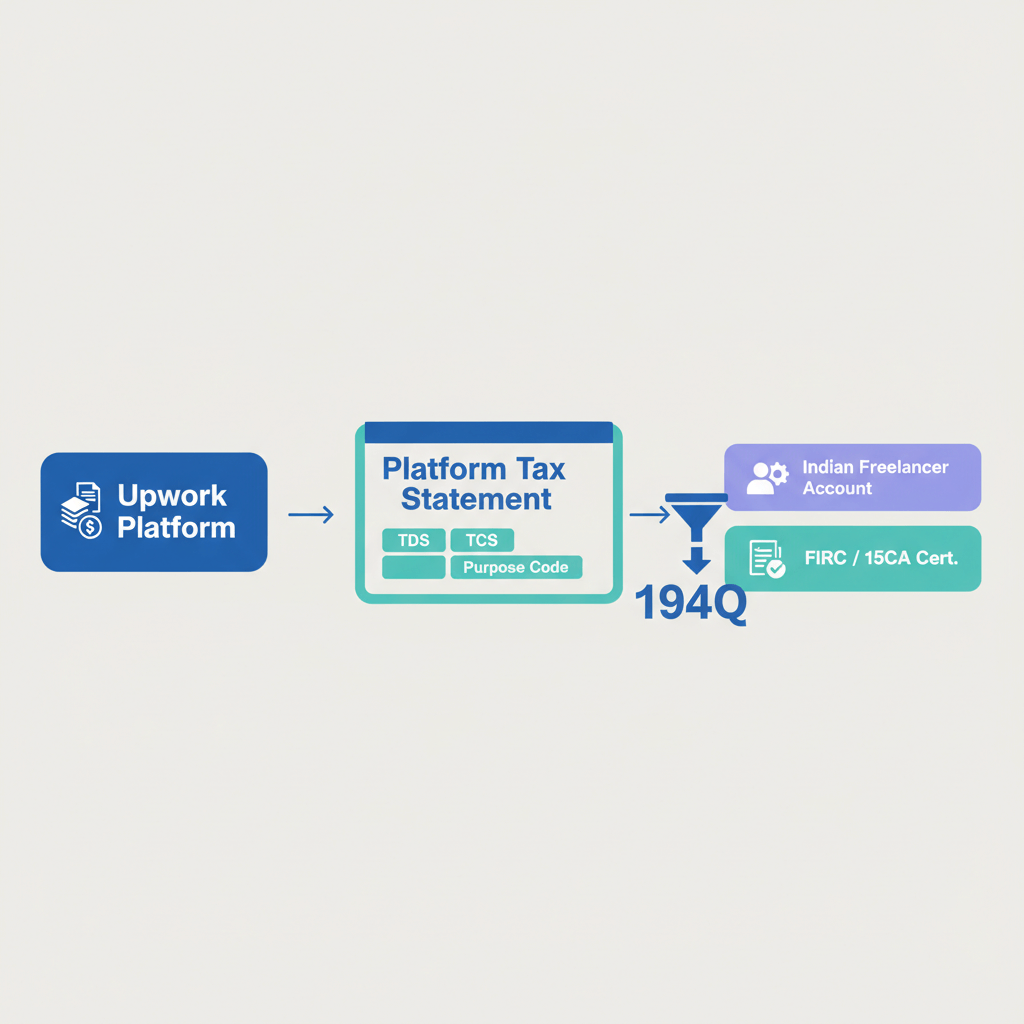
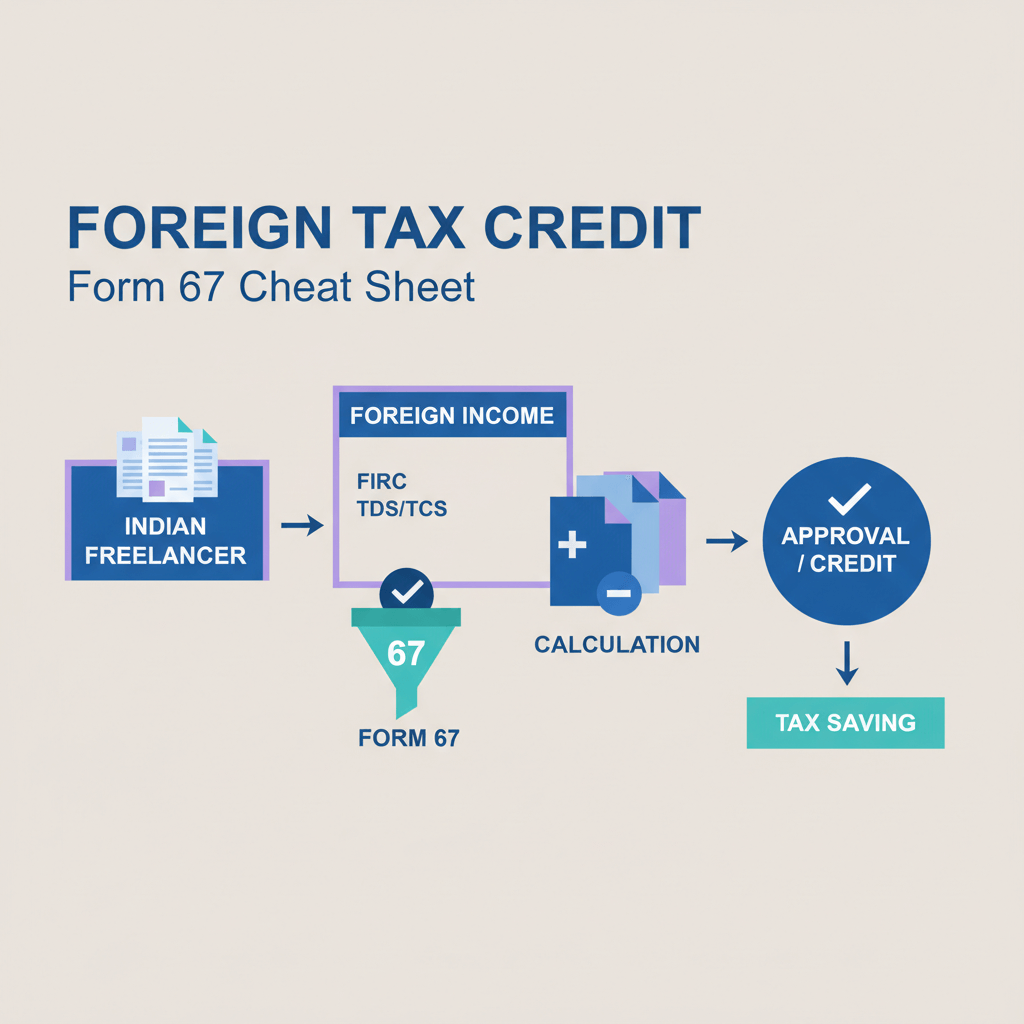
e-FIRA is your electronic Foreign Inward Remittance Advice, the RBI proof of legitimate export earnings. It lists sender, currency, purpose code, conversion rate, INR amount, and credit date. Tax filings, GST refunds, audits, and bank credit lines all depend on consistent e-FIRAs.
- Automatic e-FIRA saves hours each month and avoids last mile mistakes.
- Purpose codes like P0802 or P0806 must be correct for RBI reporting.
- Audit trail should include invoice, service proof, payment confirmation, e-FIRA, conversion, and settlement details.
Common Pitfalls to Avoid
- Zero fee traps, the real cost hides in a worse FX rate, always compare to the mid market rate you see on Google or Xe.
- Skipping e-FIRA, global wallets are convenient, but you will chase documents at tax time.
- Defaulting to SWIFT, when local rails are faster, cheaper, and more predictable.
- Mismatched currencies, always invoice and receive in the same currency for clean reconciliation.
- Ignoring holding windows, a simple 15 to 30 day hold policy can add 1 percent to 3 percent to annual receipts when trends favor you.
Quick Decision Framework, Five Questions
- Does it give USD, GBP, EUR, and CAD virtual accounts with local rails for collection?
- What is the total cost after fees and FX, is there any markup over mid market?
- Can I hold balances for 30 to 60 days to hedge forex within RBI limits?
- Do I get 24 to 48 hour INR settlement and automatic e-FIRA for every payment?
- Is support responsive during India hours on WhatsApp or phone, not just email?
Next Steps
Shortlist India first platforms that meet the checklist, confirm documents, sign up, and run a test transaction. Measure speed from client payment to INR credit, verify the FX transparency, download the e-FIRA, and test support responsiveness. When the pilot works, update invoice templates, inform clients, and scale volume. You should see faster cash flow, lower total cost, and lighter compliance workload within the first month.
FAQ
I am an Indian freelancer, what is the simplest way to receive USD from US clients without high conversion charges?
Use an India first platform that gives you a USD virtual account with ACH collection, then converts at mid market with a transparent flat fee. For example, Karbon Business provides local USD details for clients, charges a flat 1 percent with zero FX markup, and settles INR in 24 to 48 hours with automatic e-FIRA.
Which is the best Airwallex alternative in India for small agencies that need fast INR settlement?
For most service exporters, a provider like Karbon Business is practical because it combines local rails for USD, EUR, GBP, and CAD with 24 to 48 hour INR settlement, mid market FX, automatic e-FIRA, and India hours support. Run a pilot invoice to compare net INR and time to credit versus your current setup.
How do I get e-FIRA automatically for every international payment I receive in India?
Choose a platform that bakes RBI reporting into its flow. With Karbon Business, each inward remittance generates an e-FIRA within 24 hours after settlement, visible in your dashboard for download, no branch visits or manual requests needed.
Is holding USD or EUR for a few weeks allowed by RBI, and how does it help me?
Yes, compliant platforms allow holding for up to 60 days. This gives you simple forex hedging, for example if the rupee weakens, your USD converts to more INR. Many Indian freelancers follow a thumb rule, convert immediately if cash is tight, otherwise hold up to 30 days and watch rates.
What documents do I need to onboard quickly as a freelancer or sole proprietor?
Typically PAN, masked Aadhaar, last three months of current account statements, and an online profile such as LinkedIn or a portfolio site. India first platforms verify these in two to four working days. Karbon Business follows a similar flow and activates virtual accounts once KYC clears.
How much will I actually receive in INR for a $1,000 invoice using an India first platform?
At mid market ₹83.00 per dollar, $1,000 converts to ₹83,000. With a 1 percent platform fee, ₹830 applies, GST at 18 percent only on the fee adds ₹149.40, so net is about ₹82,020.60. Karbon Business displays this breakdown before you confirm conversion.
Can my client pay by local bank transfer instead of SWIFT, and is it reliable?
Yes, that is the point of local rails. US clients pay via ACH, EU via SEPA, UK via FPS. These are domestic systems, cheaper for your client and faster for you. Platforms like Karbon Business provide local account details, improving payment success and speed.
Do I need GST registration to receive international payments for services?
You can receive export service payments without GST registration if you are below the threshold, however if you are registered and export with LUT, you can claim input tax credits. Your CA will rely on invoices and e-FIRAs to support filings, so ensure your platform provides clean documentation.
What is the difference between FIRC and e-FIRA for freelancers in India?
FIRC is the older certificate typically issued by banks, often requested manually. e-FIRA is the electronic advice aligned to RBI reporting that platforms can generate automatically. Using a provider that delivers e-FIRA for each inward keeps audits and tax filings straightforward.
Is SWIFT better for large project payments like $50,000, or should I still use local rails?
Use local rails by default because they are cheaper and faster. For very large B2B transfers or when a client’s treasury insists, SWIFT is fine, just expect a few extra days and sender side fees. Platforms such as Karbon Business support both, so you can pick case by case.
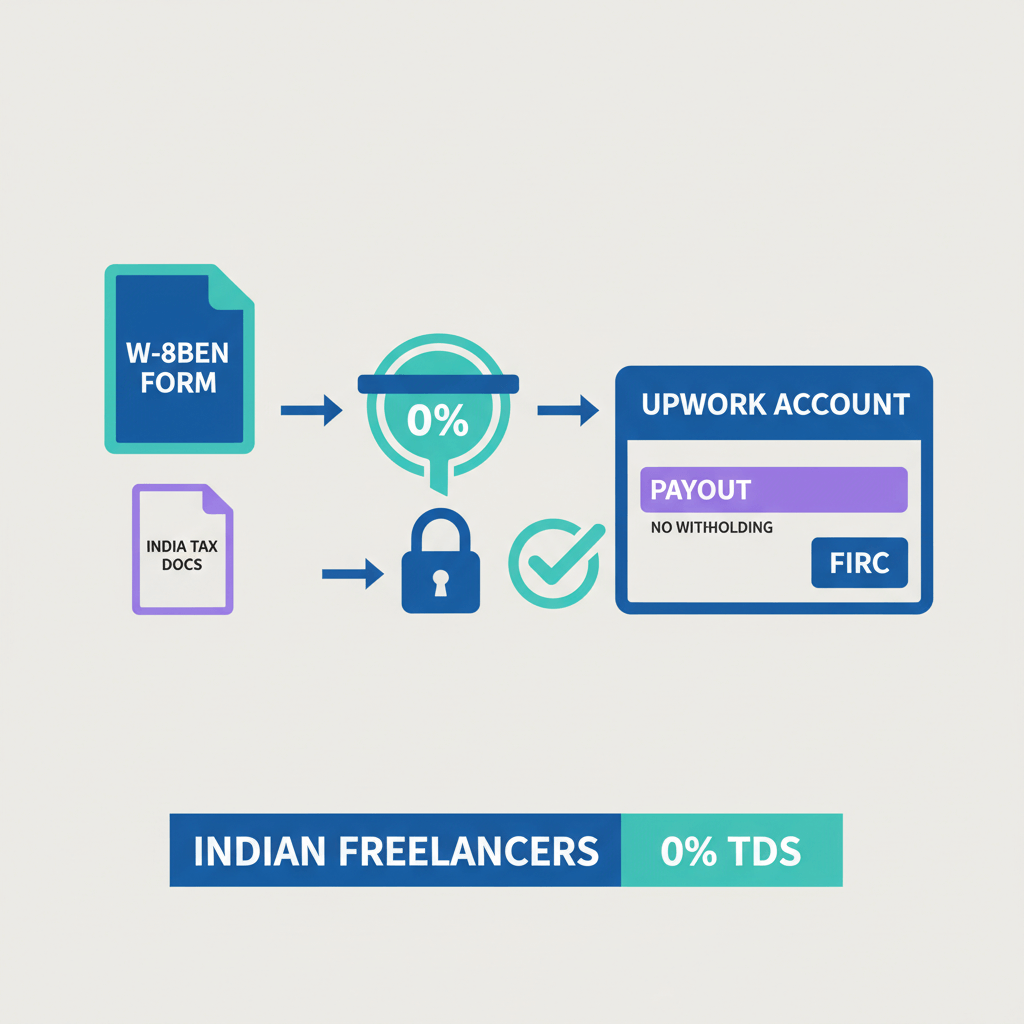
As a designer on Upwork and direct clients, can I use one platform for everything and still get e-FIRA?
Yes, if your platform issues virtual accounts and supports payment links, you can route direct clients through local rails and keep marketplace payouts where they are. For direct invoices, Karbon Business provides automatic e-FIRA, helping you maintain complete records for your CA.
How quickly does support respond if a payment is stuck and I need help during India hours?
India first providers prioritize India time coverage. Karbon Business, for example, offers WhatsApp and email with typical responses under 20 minutes during business hours, which is crucial when a large client transfer needs urgent attention.
Will zero FX markup really make a big difference on my annual revenue?
Yes, even a 1 percent hidden markup on ₹50 lakhs of annual foreign receipts costs ₹50,000. Over three years that is ₹1.5 lakhs. Platforms that convert at mid market with a clear flat fee, like Karbon Business, help you preserve margin without guesswork.
Can I reconcile payments easily for my CA at year end without manual spreadsheets?
Look for dashboard exports that include invoice numbers, client names, foreign currency amount, conversion rate, INR credited, fees, and e-FIRA references. Karbon Business provides CSV or Excel exports with all fields your CA needs, making month end and year end much faster.